NFT collections around betting platforms
 By Esra Kaya · Platform Reviewer
What NFT collections around betting platforms actually change for a Dutch user
NFT collections tied to betting platforms are a way to enter a gambling product through a Web3 wallet instead of a traditional player account. For someone in the Netherlands, the practical question is not whether the NFT looks interesting, but what it unlocks, who runs the platform behind it, and which Dutch rules still apply to the person using it.
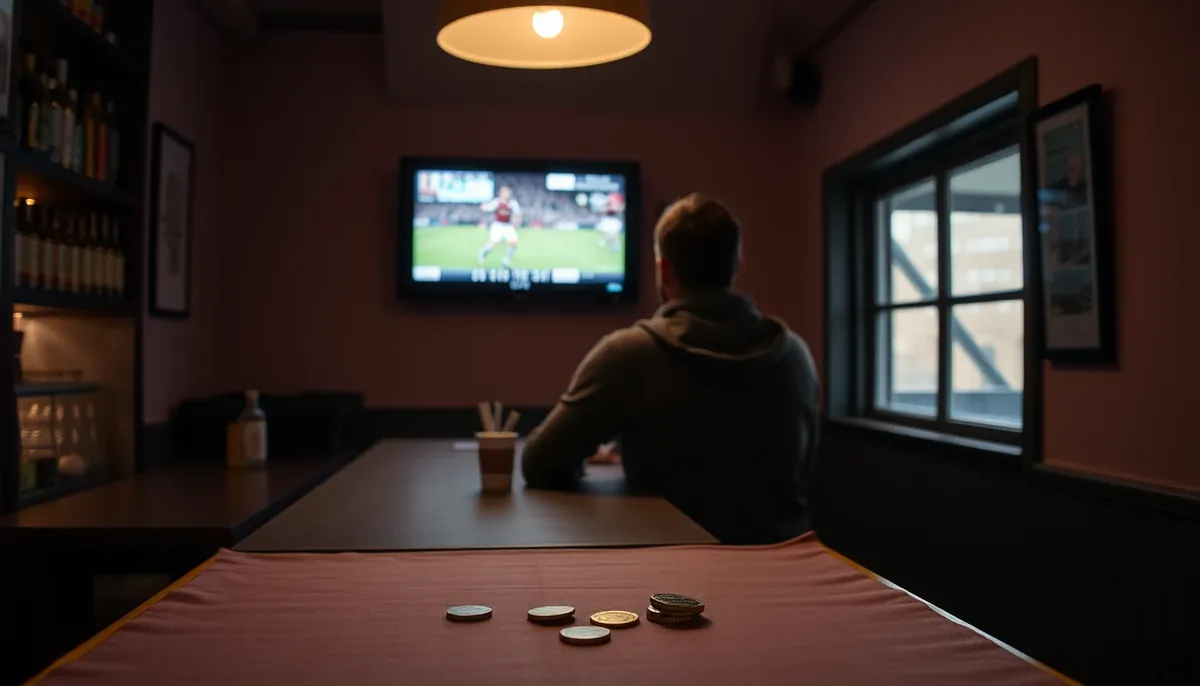
The wallet replaces the account, not the rules
Some crypto gambling platforms use NFT collections as access keys or membership passes. The technical entry point is anonymous: a user connects a Web3 wallet, and no KYC process is required. That is a real difference from licensed Dutch operators, where identity checks are standard before deposits and withdrawals.
But anonymity at the platform level does not remove Dutch gambling law from the user’s side. The minimum legal age for gambling in the Netherlands is 18. That applies to the person gambling, not to the technology they use to enter. A wallet connection does not verify age, and that is precisely where the risk sits for a Dutch user who assumes the platform’s setup replaces local rules.
What the NFT does not tell you about the operator
An NFT collection can look like a standalone product, but the relevant question is what sits behind it. The platform may hold a licence in a jurisdiction that has nothing to do with the Netherlands. For example, Dexsport operates under an Anjouan licence issued to Dexapp LTD. That is a fact about the operator, not a statement about Dutch approval.
The Kansspelautoriteit, the Netherlands Gambling Authority, licenses and supervises gambling operators that may legally target Dutch players. An Anjouan licence is not a Ksa licence. A Dutch user who enters through an NFT and deposits crypto is not protected by the same supervision, dispute procedures, or player-fund safeguards that apply to licensed Dutch operators.
This holds regardless of where you place the bet. What changes with the platform is the payout schedule and the paperwork.
See it on DexsportWhere Dutch users usually get the picture wrong
The common mistake is treating an NFT as a neutral collectible when it is functionally a gambling ticket. If the NFT grants access to betting, staking in platform pools, or other gambling-like mechanics, the collectible framing changes nothing about what the user is doing with it.
The second mistake is assuming that self-exclusion works across borders. Cruks, the Dutch national self-exclusion register, blocks access to licensed Dutch operators. It does not block access to an offshore crypto gambling platform that accepts a wallet connection. If a user has registered with Cruks and then enters through an NFT, the exclusion they rely on does not follow them there.
What to check before connecting a wallet
The checklist is short and factual. First, check whether the platform behind the NFT collection holds a Ksa licence. If it does not, Dutch supervision does not apply. Second, check whether the NFT is a collectible or an access mechanism. If holding it enables gambling, the user is gambling, whatever the token is called. Third, remember that the age limit is 18 in the Netherlands regardless of what the platform asks for.
Support for gambling problems in the Netherlands is available through Open over Gokken, the Ksa’s own information and support platform. This service is separate from any commercial platform and does not depend on where the gambling took place.
Questions from Dutch users
Does an NFT from a betting platform make the gambling legal in the Netherlands?
No. The legality for the user depends on Dutch law, not on the platform’s token design or foreign licence. The Kansspelautoriteit is the authority that licenses legal gambling offers for the Dutch market.
Can I use Cruks to block myself from NFT-based gambling platforms?
Cruks blocks access to licensed Dutch operators. It does not block offshore crypto gambling platforms that accept Web3 wallets. A self-exclusion registered in Cruks does not extend to those platforms.
Is there an age check when entering through a wallet?
No. The entry is anonymous via Web3 wallets, with no KYC required. The minimum legal age for gambling in the Netherlands remains 18, and the absence of a platform check does not change that.
Does an Anjouan licence mean the platform is safe for Dutch players?
An Anjouan licence tells you the operator is licensed in Anjouan. It says nothing about Dutch regulatory approval. For a Dutch user, Ksa licensing is the relevant standard for supervision and player protection.